If you've browsed a skincare shelf recently, you've seen "cica" on approximately everything. Moisturisers. Serums. Face mists. Always in green letters, usually next to a small leaf, positioned as the answer to whatever your skin is complaining about.
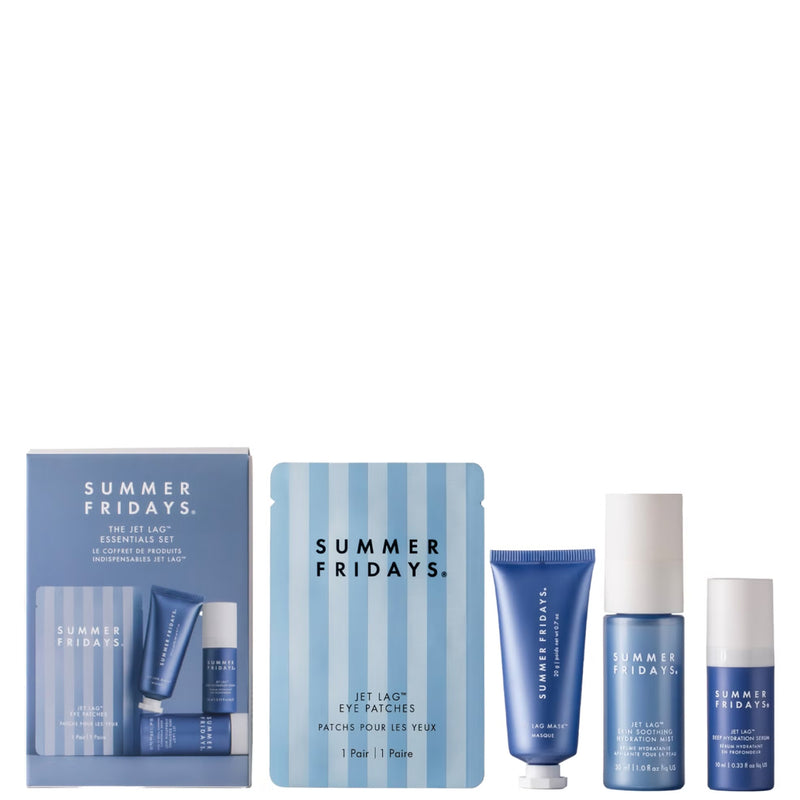
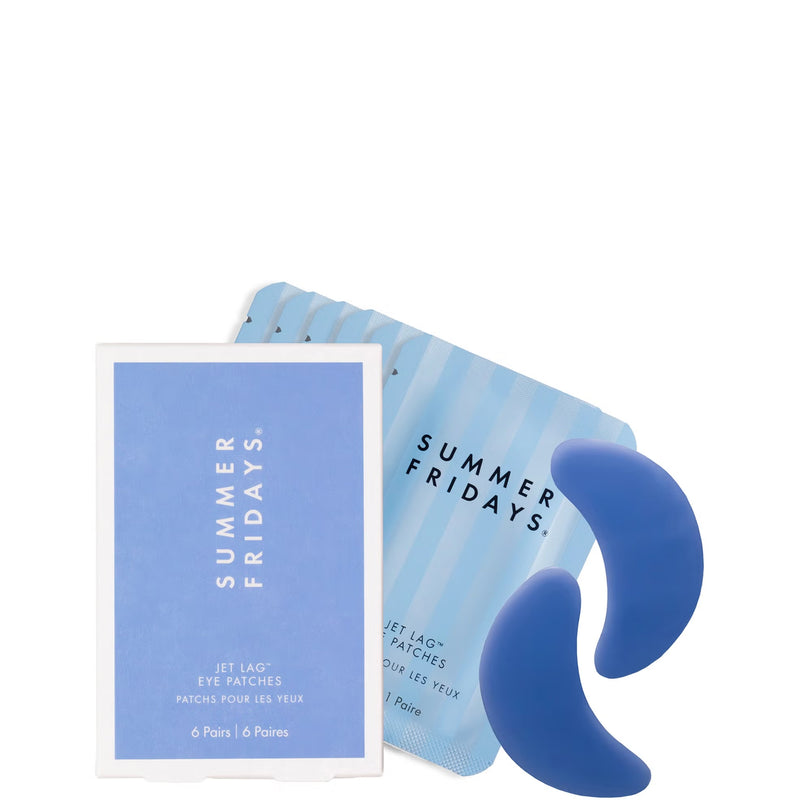
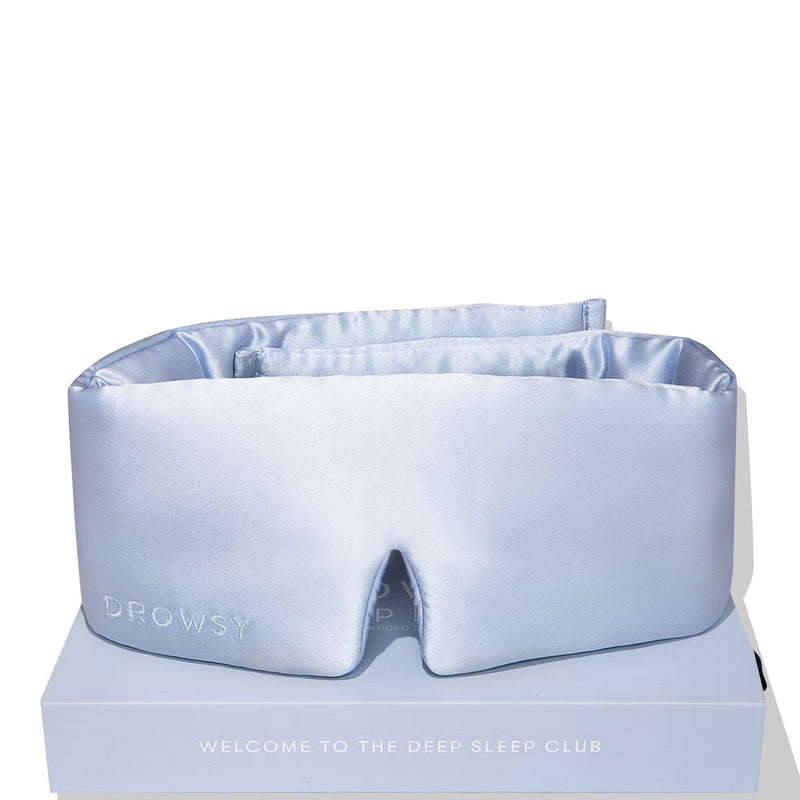
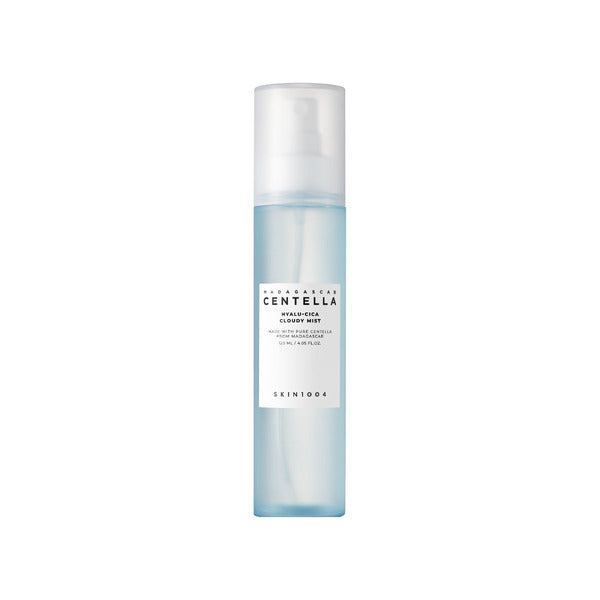
But unlike most trending ingredients, centella asiatica has decades of clinical research behind it. It's the real thing — which is why the SKIN1004 Madagascar Centella Hyalu-Cica Cloudy Mist is one of the most popular products in K-beauty, and why centella features alongside Summer Fridays Jet Lag skincare and silk sleep masks in our Travel Gifts for Mum collection.
What Centella Actually Does
Centella asiatica is a small creeping plant from tropical wetlands across Asia and Africa. You'll see it called cica, gotu kola, or tiger grass — same plant, different marketing. What matters are four active compounds called triterpenoids:
Skin barrier repair. Centella stimulates collagen types I and III — the structural proteins that keep skin firm. When your barrier is compromised from over-exfoliation, pollution, or harsh weather, centella rebuilds it. Multiple clinical studies confirm this.
Anti-inflammatory. Madecassoside reduces inflammation by inhibiting specific pathways. Redness calms, irritation settles, reactive skin becomes less reactive. This is why dermatologists recommend centella for rosacea, eczema, and post-procedure recovery.
Wound healing. Centella's oldest documented use. The triterpenoids accelerate cellular regeneration — not masking damage but genuinely speeding up repair. Increasingly found in post-peel and post-laser products.
Antioxidant protection. Neutralises free radicals from UV and pollution before they break down collagen. Not a sunscreen replacement, but a meaningful second line of defence.
Why Madagascar Centella Is Different
Not all centella is equal. The concentration of active triterpenoids varies dramatically depending on where it's grown — soil, altitude, climate, and sunlight all affect potency.
Madagascar centella is widely regarded as the most potent. Volcanic soil, tropical humidity, and specific growing conditions produce higher concentrations of all four key compounds. It's terroir — the same reason wine from certain regions tastes different.
This is why SKIN1004 sources exclusively from Madagascar. Their Hyalu-Cica Cloudy Mist combines Madagascar centella with three types of hyaluronic acid and 40% green tea water. The sourcing is a significant reason it outperforms generic centella products.
Centella vs the Other Ingredients You See Everywhere
Hyaluronic acid hydrates by drawing water into skin. That's all it does — and it does it well. But it doesn't repair or strengthen.
Niacinamide strengthens the barrier, controls oil, and brightens. Overlaps with some centella benefits but works through different mechanisms.
Centella actively rebuilds damaged skin. It's the repair ingredient.
The best products combine all three. The SKIN1004 Cloudy Mist pairs centella with hyaluronic acid. The Summer Fridays Jet Lag range combines centella with niacinamide and ceramides. Together, each amplifies the others.
How to Use It
As a face mist — the easiest entry point. Spray after cleansing, over makeup, mid-flight, or at your desk. A centella face mist adds cica to your routine without changing anything else.
In a serum — highest concentration of active triterpenoids. Apply after cleansing, before moisturiser.
In a moisturiser or mask — longest contact time means more absorption of active compounds.
Centella plays well with everything — retinol, vitamin C, AHAs, BHAs, peptides. Its soothing properties actually make it the ideal partner for harsher actives like retinol that cause irritation.
Who Needs It Most
Sensitive or reactive skin — calms without adding more actives that might trigger a reaction. Post-treatment skin — after peels, laser, or microneedling. Travellers — flying and climate changes stress the skin, and centella helps it cope. Over-exfoliators — too much retinol, too many acids, red angry skin. Centella rebuilds what you've stripped away.
The Bottom Line
Centella asiatica isn't a trend. It's a clinically proven ingredient that traditional medicine recognised centuries ago and modern science has confirmed. Not every centella product is worth buying — look for meaningful concentrations, Madagascar sourcing, and complementary ingredients like hyaluronic acid.
The SKIN1004 Madagascar Centella Hyalu-Cica Cloudy Mist ticks every box. It's a good place to start.